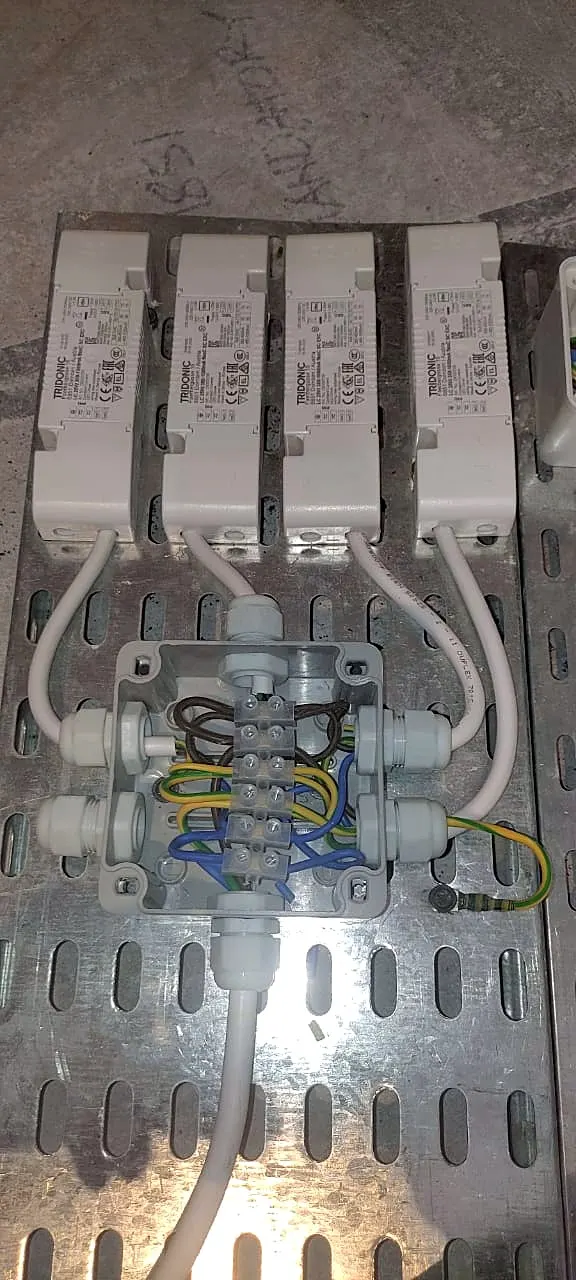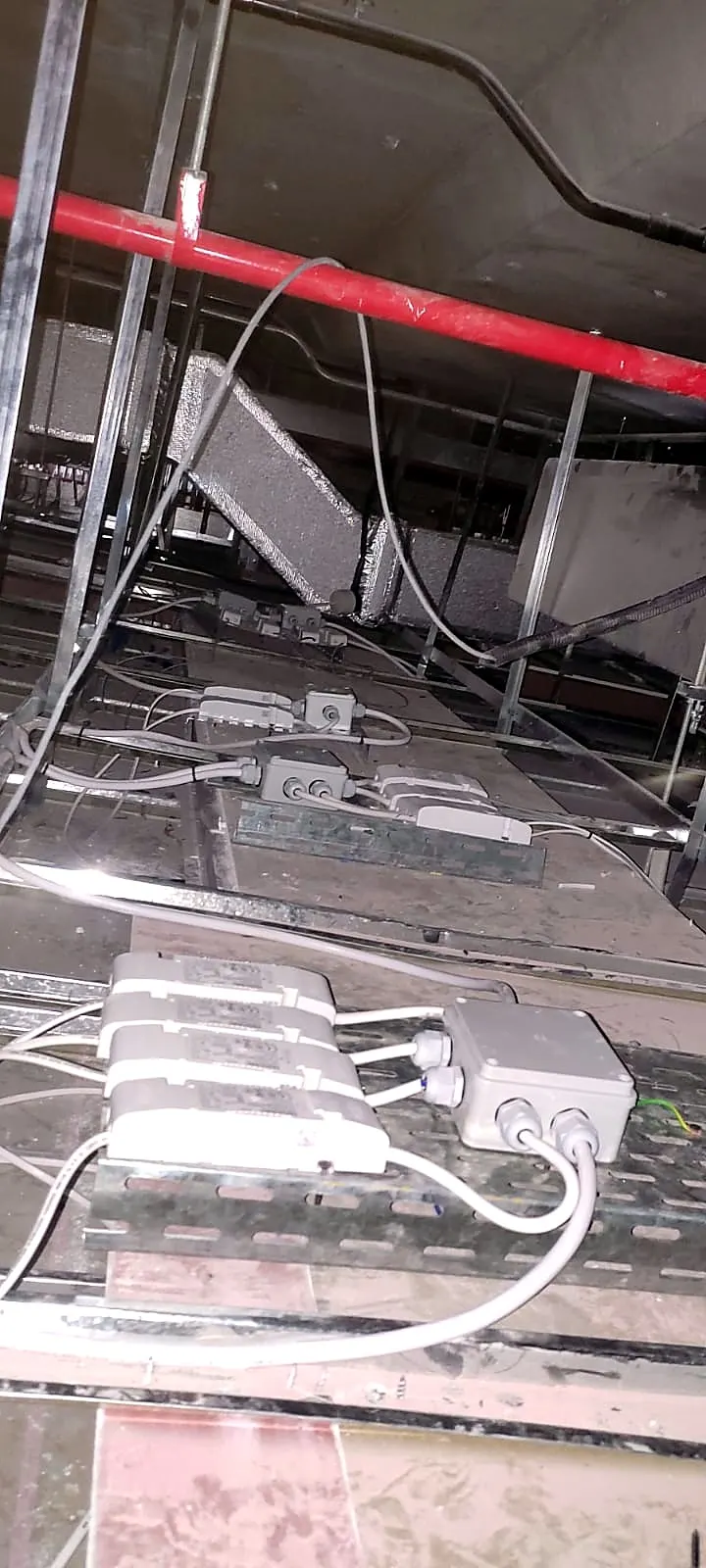
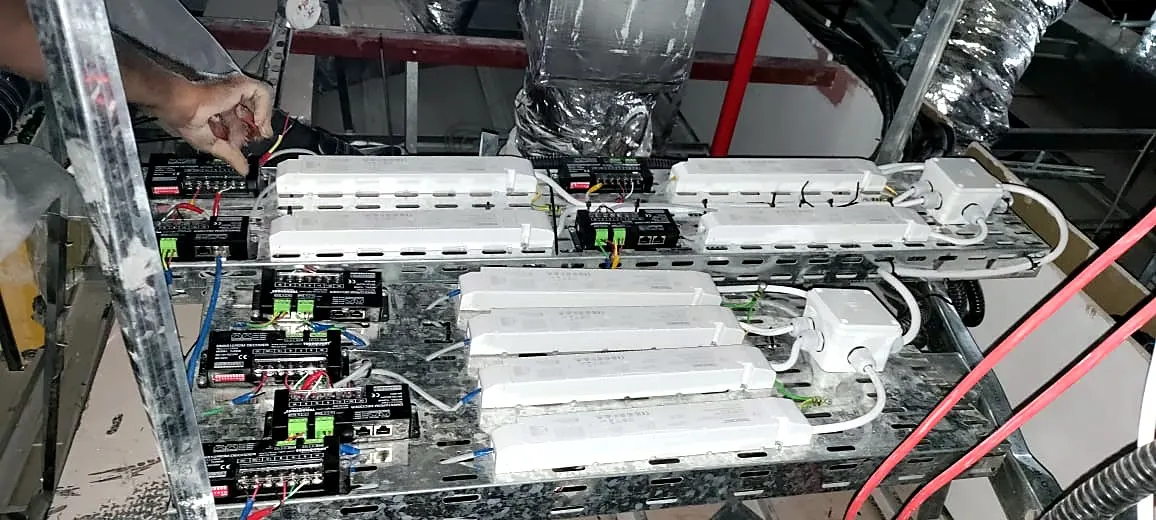
An electrical installation is judged on the day it is energised and every day after. This guide covers the four things we look at on every job in Dubai: the safety devices that protect people, the components inside the panel, the tests before handover, and the maintenance that keeps it running.
Electrical safety solutions: protecting lives and investments
Safety starts at design, with protection matched to the load and the space.
- Residual current devices (GFCI / RCD): disconnect a circuit when current leaks to earth, protecting people in kitchens, washrooms and outdoor areas.
- Arc-resistant switchgear: contains and directs the energy of an internal arc fault away from the person operating the panel.
- Fire-resistant cables: keep life-safety circuits such as fire alarms and smoke extract working during a fire.
- Emergency lighting and exit signs: light escape routes when the normal supply fails, as Civil Defence requires.
Core components in electrical panel installations
The panel decides how safely and flexibly power reaches the space.
- Air circuit breakers (ACBs): protect main incomers and large feeders against overload and short circuit.
- Copper busbars: distribute current inside the panel with low losses, sized for the load and the fault level.
- PLCs and controllers: automate switching, load shedding and alarms where systems need to react on their own.
- Dry-type transformers: step voltage up or down indoors without the fire risk of oil-filled units.
Testing and commissioning: ensuring reliable performance
Nothing is energised until it has been tested, and the results are written down for handover.
- Insulation and dielectric tests: confirm cables and switchgear can withstand their rated voltage.
- Short-circuit analysis: checks that protective devices will clear a fault quickly and in the right order.
- Harmonic checks: find distortion from drives, LED drivers and IT equipment before it overheats neutrals.
- Load flow studies: confirm feeders, transformers and voltage drop stay within limits at full load.
Proactive maintenance: minimising downtime
Most electrical failures give warning signs first. Planned maintenance catches them.
- Thermal imaging: spots loose or overloaded connections before they fail.
- Tightening and cleaning: keeps terminations and busbars in good condition in Dubai’s dust and heat.
- Protection tests: confirm breakers and residual current devices still trip as designed.
- Monitoring: energy and load monitoring shows changes in consumption early.
- Scheduled servicing: visits planned around trading hours under an annual maintenance contract.
- Outage planning: agreed shutdown procedures so work on live buildings is safe and short.
Xylem Electromechanical is a DEWA-approved contractor in Dubai. Our own team designs, installs, tests and maintains electrical systems for kitchens, clinics, offices and villas.
Planning electrical works? See our electrical services or call +971 50 905 2061.